Aussie crypto casinos in 2026: how the marketing sits against the law
 Available in US
“Aussie crypto casino” describes an audience, not a licence. A punter searching for that phrase in 2026 is looking for a crypto-friendly casino that feels local; the sites using the word are almost always licensed nowhere near Australia, and the products they sell are prohibited under the Interactive Gambling Act 2001 regardless of where the licence hangs on the wall. The ACMA’s record of formal warnings is the cleanest window into what the label really points at, and the page that follows works through what that record shows — what the legal channel looks like, what the offshore channel looks like, and which one a reader with a particular situation in front of them should pick.

Current as of 23 September 2026 against the ACMA’s own register of formal warnings and blocking requests.
Table of Contents
- The fundamentals of the Aussie crypto casino pitch
- The wider landscape of offshore play in 2026
- Prohibition under the Interactive Gambling Act 2001
- Enforcement: how the ACMA makes prohibition stick
- Safeguards when the legal channel is closed
- Wellbeing when play stops being a choice
- How blockchain payments actually work at the cashier
- Pseudonymity versus real anonymity at the wallet
- What a fair shortlist would have to weigh
- RocketPlay: the freshest ACMA warning, with a returning operator in the mix
- Level Up Casino: the 2022 six-brand sweep that started the Dama N.V. trail
- Woo Casino: the March 2025 warning that put Dama N.V. back on the list
- Spirit Casino: the second 2025 Dama N.V. warning, two months after Woo
- National Casino: a new corporate entity the ACMA had not named before
- Bizzo Casino: the brand with two separate corporate entities on the record
- Ignition Casino: a Bamboo Media warning that joins the 2025 round
- Instant Casino: the February 2025 warning over EOD Code SRL
- Jackbit: the April 2026 warning over Ryker B.V.
- Casino Intense: the April 2025 warning over Sterplay Holding
- Sky Crown: the oldest warning on the list, from Hollycorn N.V. in 2022
- Frequently asked questions
The fundamentals of the Aussie crypto casino pitch
The pitch runs through a handful of moves and they all work the same way. A site styled for an Australian punter takes deposits in Bitcoin, Ethereum, USDT and a handful of altcoins, holds a Curaçao or Costa Rica licence somewhere offshore, and adds a “pokies” tab to its lobby because that is what an Australian visitor expects to see when they log in. None of that is what makes the site Australian. What makes it Australian is the marketing — the AUD/USD conversion widget in the corner, the green-and-gold footer, the welcome bonus copy written for a Melbourne morning, the live dealer studio staffed by croupiers with Australian names.

The product on offer is the same product any offshore casino sells. Slots, live dealer tables, crash games, dice, the rest of the catalogue. The payment rail is the only difference, and it is the only difference that matters: crypto lets the deposit clear without the bank knowing where it went, and it lets the site pay out without the bank knowing where it came from. From the punter’s side that feels like privacy. From the regulator’s side it looks like the Interactive Gambling Act’s blind spot.
That is the pitch in two sentences. Anything more elaborate — provably fair games, no-KYC signup, instant withdrawals — is decoration on the same arrangement. The operator is offshore. The licence is offshore. The dispute process is offshore. The product the operator is selling is one Australian law does not allow to be supplied to anyone in Australia. Calling the site an “Aussie casino” changes the address bar, not the law that applies to the operator behind it.
Three things follow from that arrangement that are worth saying before the rest of the page. The first is that every brand on this page is on the ACMA’s register of formal warnings for a reason. The regulator’s list is not a popularity poll; it is the regulator’s enforcement record, and being on it means a formal finding under the Interactive Gambling Act 2001. The second is that the offshore arrangement is the reason the punter has no Australian consumer protection if a withdrawal stalls. The third is that the choice this page sets out is not “Aussie casino A versus Aussie casino B”; it is the legal channel versus the offshore channel, and the rest of the page works through what each one costs.
The wider landscape of offshore play in 2026
The shape of the Australian market in 2026 is that legal gambling has been losing share to illegal gambling for four years running. H2 Gambling Capital’s 2025 report puts Australian losses to illegal gambling sites at about A$3.9 billion a year, and the share of gambling spend routed through legal channels fell from 74% in 2021 to 64% — a ten-point drop in four years.
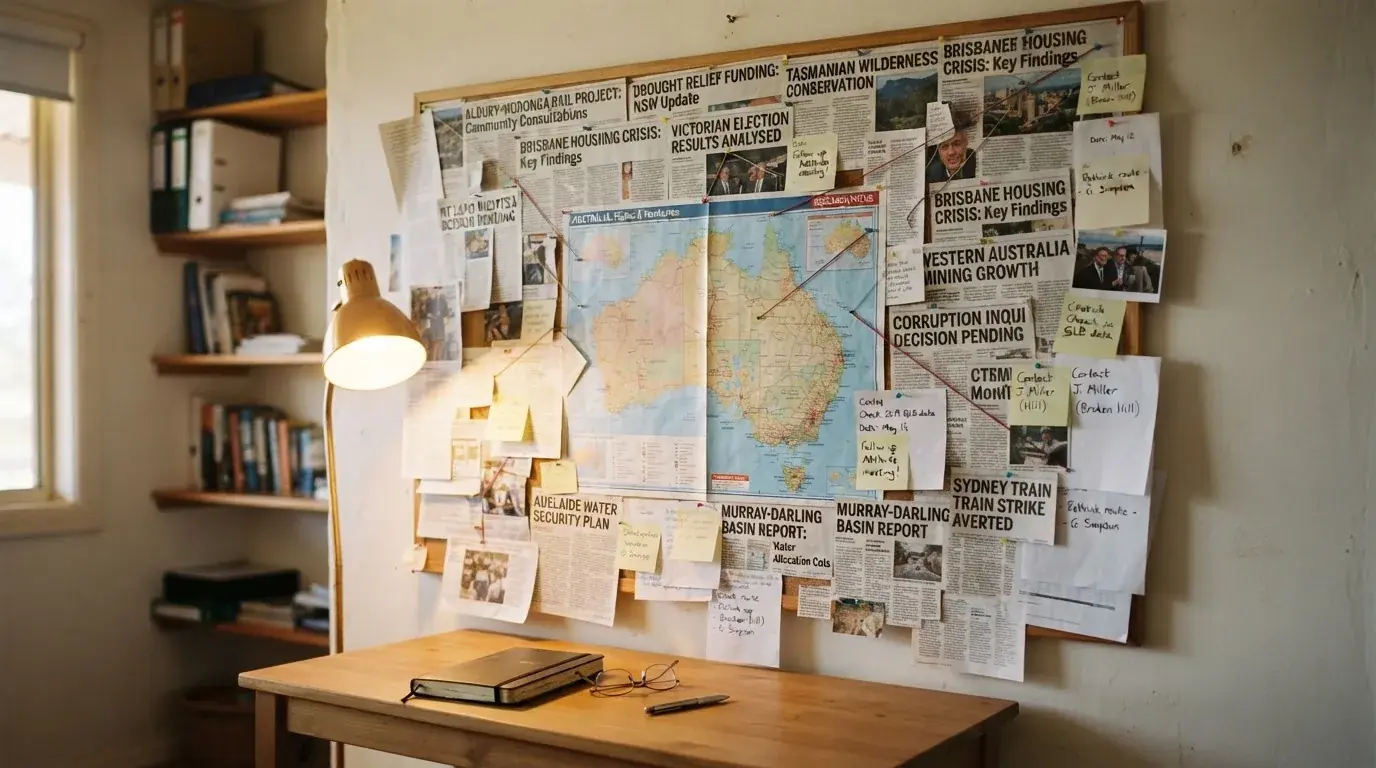
Two things drive that drop and they push in opposite directions. The first is migration: more Australian punters have moved offshore, drawn by the marketing, the bonus copy and the product catalogue. The second is the payment rail: an increasing share of those who have moved have done it through crypto, which the Australian banking system does not see and the ACMA’s enforcement net only catches after the fact. The “Aussie crypto casino” is the product of that redirect — a marketing wrapper over an offshore product sold to an Australian audience through a payment rail the Australian regulator cannot directly touch.
The legal side of the market still exists and is regulated. The Northern Territory Racing and Wagering Commission supervises 52 of Australia’s online bookmakers — Sportsbet, Bet365, Ladbrokes among them — under a Territory licence that exists mostly for tax reasons. The commission has no full-time staff and meets once a month in Darwin. That is the regulator for the only online gambling Australians can legally be supplied with: pre-event wagering on racing and sport, lotteries, keno. Everything else — casino, pokies, live dealer, crash, dice — is the prohibited side. No state or territory issues a licence for any of it. Online casino games and online pokies face outright prohibition under the Interactive Gambling Act 2001, as strengthened by the Interactive Gambling Amendment Act 2017.
A reader choosing between the legal channel and the offshore one is choosing between a small regulated catalogue and a large unregulated one. The next sections work through what each channel costs.
Prohibition under the Interactive Gambling Act 2001
The Interactive Gambling Act 2001, as tightened by the 2017 amendments, makes it an offence for a supplier to offer online casino games, online pokies or in-play betting to a person physically in Australia. The offence sits with the provider, not the player — Australians are not prosecuted for opening an account and clicking deposit — which is why offshore sites feel free to keep advertising on Australian-facing pages. The provider’s liability does not go away because the regulator has to find them first.
The phrase the regulator uses is “prohibited interactive gambling service”. It is not a service the regulator dislikes; it is a service the Act says cannot lawfully be supplied to anyone in Australia at all. A “wagering service provider” is the licensable category, and what can be supplied under it is narrow: pre-event wagering on racing and sport, lotteries, keno. Minimum age is 18.
Three consequences follow for anyone considering an offshore casino. The first is straightforward: the operator is breaking Australian law every minute it accepts an Australian deposit, and the ACMA has been steadily widening its response to that fact — the next section works through the numbers. The second is the one offshore marketing tends to skip: there is no Australian consumer protection in this arrangement, no complaints body, no external dispute resolution, no recourse if a withdrawal is refused. The site is licensed somewhere; that licence covers the site, not the punter. The third is the payment side: since 11 June 2024, credit cards, credit-related products and digital currency have been banned as payment for licensed online wagering, with penalties up to A$247,500 for operators that take them. The ban applies to the legal channel — to the 52 NT-licensed bookmakers. An offshore casino is not under Australian rules to begin with, so the ban is the wrong lever against them. What the ban does signal is where the regulator’s mind sits on crypto as a deposit rail: it is treated as a risk to be excluded, not a feature to be welcomed.
Enforcement: how the ACMA makes prohibition stick
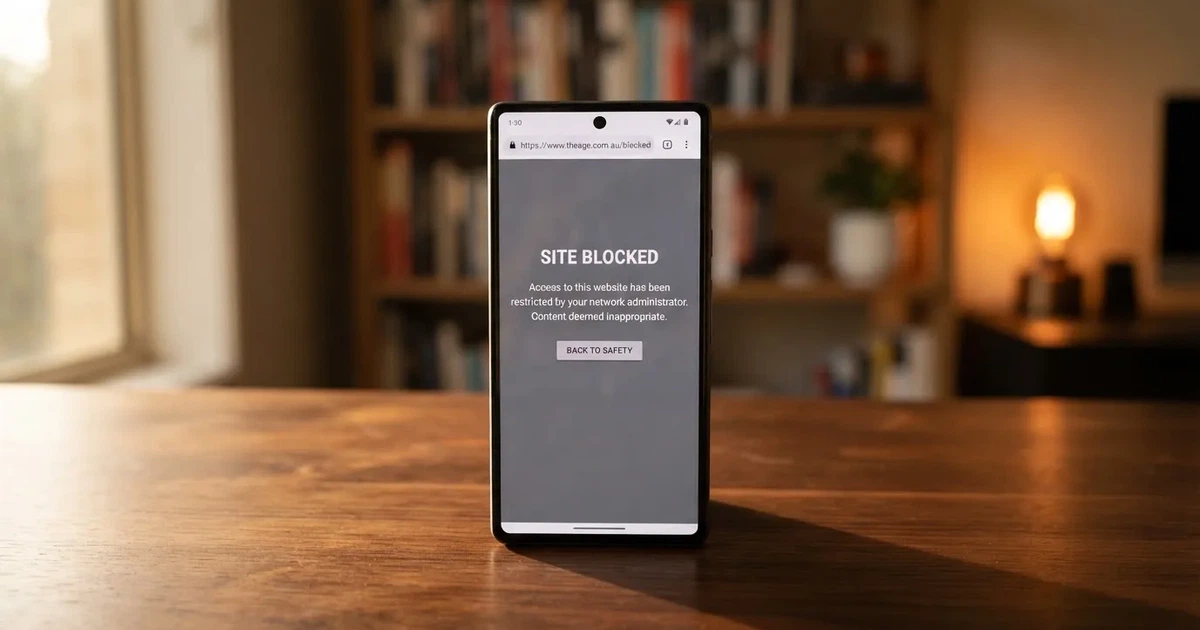
Enforcement has three steps and the ACMA uses them in roughly that order. Investigate. Warn. Block. A formal warning is published, naming the operator and the URL, and the operator gets a window to take the service off the Australian market. If the warning is ignored, the ACMA asks Australian internet service providers to add the domain to a block list, and the site becomes unreachable on a residential Australian connection.

The numbers add up. According to the ACMA, as reported in June 2026, a total of 1,751 illegal gambling and affiliate marketing websites had been blocked since the first blocking request in November 2019, and more than 230 unlicensed gambling services had left the Australian market since enforcement was strengthened in 2017. In one round reported on 26 June 2026 the ACMA asked ISPs to block another 12: 7Signs, ChromaBet, Donbet, Duospin, Freshbet, Slots Gem, Jacks Club, Lucky Start, Pointsbetz.com, Spinrise, Vinyl Casino and Wildsino. None of those twelve is an “Aussie crypto casino” — they are simply the most recent batch — but the pipeline that produced them is the same one that has produced every brand in the table further down this page.
The pace of those blocks shows how the regulator is responding. Between November 2019, when the first blocking request was issued, and the cumulative total of 1,751 sites the ACMA published in June 2026, the regulator has asked Australian ISPs to block illegal gambling and affiliate marketing sites at an average rate of roughly 260 to 270 sites a year, or about 22 a month — assuming the 1,751 figure is the regulator’s running total over the full period. The number is a band rather than a single figure because the months counted run from November 2019 to June 2026, and the June 2026 total is the cumulative count the ACMA itself reports. The condition on the band is the inputs: replace either and the rate shifts with it. What the rate says in plain terms is that the ACMA has not been slowing down. A new batch every few months adds twelve or so names; affiliate pages and mirror domains pad the rest. The pipeline that has produced the eleven brands in the table below is still running.
The 2026 reform round adds another layer above the warning-and-block pattern. The Interactive Gambling Amendment (Gambling Reform) Bill 2026 passed Parliament on 19 August 2026, and its advertising and inducement measures commence on 1 January 2027. On a 2026 page that is law with a start date, not yet in force — but it is the direction the regulator is heading. The closer an offshore casino’s marketing sits to Australian audiences, the more clearly it fits the inducement provisions the new Act targets.
Safeguards when the legal channel is closed
Two safeguards matter for an Australian punter, and both are limited in the same way: they bind Australian-licensed operators, not offshore ones.

The first is payment routing. The legal deposit routes for a licensed wagering service are debit card, bank transfer, PayID/Osko and BPAY. A licensed bookmaker cannot take a credit card and cannot take USDT. The rule is from 11 June 2024 and it is enforced. The corollary is the test for any site asking for crypto: if the deposit rail is crypto, the site is not on the legal side of the line. There is no Australian-licensed online casino, full stop, and no Australian-licensed bookmaker accepts a Bitcoin deposit. A crypto cashier is a marker for offshore.
The second is the complaints and dispute layer that simply does not exist on the offshore side. A licensed Australian bookmaker answers to an Australian regulator, takes disputes through recognised external resolution, and pays out under Australian consumer law. An offshore casino answers to its own licensing jurisdiction, runs its own complaints process, and pays out under its own terms. If a withdrawal stalls, the only escalation is the operator’s own support email and, eventually, the licence issuer in Curaçao or wherever else the licence hangs. That is not a safeguard; that is the absence of one.
Tax is the third thing worth knowing. Recreational gambling winnings are not assessable income under section 6-5 of the ITAA 1997, and losses are not deductible. The exception is a person who carries on a business of gambling, which is a high bar and not the casual punter’s situation. The ATO classifies crypto assets as property rather than money or foreign currency, so every disposal — selling for AUD, swapping for another token, spending at a casino cashier — is a CGT event. The 50% CGT discount applies to crypto held longer than 12 months; from 1 July 2027 that flat discount is replaced by CPI indexation of the cost base plus a 30% minimum tax rate on net gains. None of that changes the illegality of the underlying play, but it changes what the punter owes if the play ever produces a gain. The ATO’s personal-use exemption — which disregards capital gains on crypto assets held as personal use, capped at A$10,000 cost — does not apply once a holding is treated as an investment, and a casino-funded wallet is unlikely to qualify.
The honest version of the safeguards section is this: the safest place to play in Australia is the legal channel, and the legal channel does not include crypto casinos. If the play is happening elsewhere, the rest of this page is about understanding what is happening, not making it safer.
Wellbeing when play stops being a choice
When play stops being a choice — when the next deposit feels automatic, when the loss you meant to stop at keeps getting pushed back, when you are hiding the activity from someone close to you — that is the moment to step outside the gambling part of the conversation entirely. Three free, confidential routes exist, and they are staffed by people who have seen this exact configuration before.

BetStop, the National Self-Exclusion Register, has been live since August 2023 and binds every Australian-licensed online and phone wagering service. Registering closes new accounts at licensed operators, returns any balance, and stops marketing for a minimum exclusion period you set yourself. The catch is the same one everything else on this page has: BetStop only binds Australian-licensed services, and an offshore crypto casino is not on the register. Self-excluding through BetStop does not stop an offshore site from accepting a deposit; it does stop the licensed side of the market from doing so, which removes a chunk of the marketing funnel that reaches an Australian punter.
The National Gambling Helpline, 1800 858 858, is free, 24/7, and runs counselling alongside the same service that backs Gambling Help Online. Chat is available on the site. Both are staffed by counsellors who have seen this exact story before, in this exact configuration, hundreds of times — the offshore site, the crypto deposit, the bonus chasing, the late-night session. The help is independent of any operator, and the call is confidential.
The third route is financial: a person’s bank can place a gambling block on debit card transactions at most Australian banks, which cuts off the legal channel’s deposit rail without touching the offshore one. Combined with BetStop and the helpline, it covers most of the Australian-licensed path; what it leaves untouched is the offshore path, which is why this page does not treat it as a complete answer. A reader who has reached the point of needing help is the reader who should be talking to a counsellor rather than reading a casino guide, and 1800 858 858 is the number to call.
How blockchain payments actually work at the cashier
The blockchain side of the cashier is the part of the experience that “feels” different and mostly feels different because the punter cannot see the bank. The mechanics underneath are not new.

Bitcoin’s network was created on 3 January 2009 when the pseudonymous Satoshi Nakamoto mined the genesis block, eight weeks after posting the white paper to a cryptography mailing list on 31 October 2008. The ledger runs on proof-of-work mining, where miners compete to find a hash below a difficulty target that readjusts roughly every two weeks to keep block discovery near one block per ten minutes on average. The mining reward halves every 210,000 blocks until a hard cap of 21 million bitcoin is reached, which the protocol expects sometime around the year 2140. Block discovery is probabilistic — a confirmation can land in two minutes or in forty, and the average is just an average. The network is what is called “pseudonymous”: every transaction is public, every balance is public, and the pseudonym is the wallet address.
Ethereum’s network launched on 30 July 2015, with Vitalik Buterin as the primary author after his original whitepaper in late 2013. The network switched from proof-of-work to proof-of-stake in an upgrade called “The Merge” on 15 September 2022, and now produces a new block roughly every twelve seconds. The Merge changed how the ledger is secured — validators stake ETH rather than mine with electricity — but it did not change the user experience at a cashier. Confirmations arrive faster, fees behave differently under congestion, and the rest of the experience looks the same to the punter.
Bitcoin Cash, the third rail a punter is likely to meet at an offshore casino, is a hard fork of Bitcoin that split on 1 August 2017 at block height 478,558, led by Amaury Séchet through the Bitcoin ABC client. It uses the same SHA-256 proof-of-work and the same ten-minute target block time. The block size limit started at eight megabytes and was raised to 32 megabytes in 2018, which is the technical reason it can advertise lower fees — “under a penny”, the project says, with confirmations in minutes — while still settling on a familiar proof-of-work chain. Supply caps at 21 million coins, matching Bitcoin’s schedule.
What all three networks share at the cashier is the same shape: the punter copies a wallet address, sends the funds, waits for one or more confirmations, and the site credits the account once the confirmation lands. The block time governs the wait — roughly ten minutes for Bitcoin and Bitcoin Cash, roughly twelve seconds for Ethereum — and the exchange rate at the moment of sending governs how much play the deposit buys. The exchange rate is the hidden cost: a casino cashier typically applies a spread on the spot rate, and the spread is set wide enough that the punter pays for the convenience. On the payout side, the same shape runs in reverse, with the casino’s confirmation policy — typically one confirmation for small withdrawals, three or more for larger ones — adding another wait that the marketing tends to skip over.
Pseudonymity versus real anonymity at the wallet
A wallet address is not a name. It is a string of letters and numbers that anyone can see the balance of on a public ledger. Calling that anonymous is the most common confusion in the crypto-casino pitch, and it is worth picking apart because the difference matters for what the punter is actually agreeing to.
Pseudonymity is what the blockchain gives by default. Every transaction is recorded on a public ledger under a pseudonym — the address — and the address is mathematically linked to every address it has ever transacted with. Cluster analysis, the technique compliance teams use to follow the money, links addresses to exchanges, exchanges to KYC records, and KYC records to the person who supplied the documents. A punter who bought Bitcoin on a registered Australian exchange, sent it to their own wallet, then sent it to a casino address has left a complete trail: the exchange knows who they are, the blockchain shows the casino address, and a competent analyst can put the two together in under an hour.
Real anonymity would require something the major chains do not give by default. Monero and Zcash do, at least with stronger cryptographic guarantees; Bitcoin and Ethereum do not. Bitcoin Cash, like Bitcoin, runs on a transparent ledger. The cashiers at offshore casinos accept Bitcoin Cash for the same reason they accept Bitcoin — speed, low fees, familiarity — not because either coin offers anything close to true anonymity. The pitch that frames a BTC deposit as “anonymous” is selling a misunderstanding.
Australia’s side of this is the part the marketing tends to leave out. Since 2018, crypto exchanges operating in Australia must register with AUSTRAC as Digital Currency Exchange providers; operating unregistered is a criminal offence. From 31 March 2026 the registration requirement expanded beyond crypto-to-fiat exchange to also cover crypto-to-crypto exchange platforms, digital asset transferors, digital asset custody providers and stablecoin issuers and distributors. The expansion means the funnel an Australian punter would use to fund an offshore casino is more regulated than the cashier at the other end. The punter’s name is on a register; the casino’s is not.
ASIC’s side of the frame is the piece that governs how the assets themselves are treated. ASIC’s Information Sheet 225, originally published in September 2017 and updated in 2025 with worked examples on stablecoins, wrapped tokens, tokenised securities and digital wallets, treats most digital assets as financial products and granted a sector-wide no-action position on related licensing until 30 June 2026. That is a regulator saying, in plain terms, that the asset side of crypto is being folded into the same framework as other financial products in Australia. The wallet on the punter’s phone is not, on Australia’s reading of the law, in a lawless space. The casino on the other end of the deposit is, and the difference between the two ends is the gap the punter is paying to sit in.
What a fair shortlist would have to weigh
A shortlist is what most readers came for, and it is the part of this page where honesty costs the most. There is no fair shortlist of Aussie crypto casinos, because the product itself is prohibited. Putting a list together would mean ranking sites the ACMA has, one by one, formally warned for offering an illegal service to Australians. Ranking them does not change what they sell.

What a fair page can do is set out the weights a reader would use if such a shortlist were legal. They are worth listing because they apply to every offshore site the reader might encounter, and because applying them is the difference between choosing an operator and choosing a marketing pitch.
First, the licence. Where is the licence, who issued it, and what does it cover? A Curaçao licence covers the operator; it does not cover an Australian customer. A Malta Gaming Authority licence covers its own jurisdiction. An “Anjouan” licence — common at the smaller end of the offshore market — is issued by an authority that does not, in practice, adjudicate disputes. None of these turn an illegal Australian product into a legal one. The licence tells you which jurisdiction’s law the operator answers to; it does not tell you the operator is safe to deal with.
Second, the operator. Who is behind the site, and what is their track record? The brands in the table below include two cases where the ACMA has named the same operator more than once under different corporate entities — a pattern that says more about the operator than any licence badge on the homepage. A brand can be re-skinned; a corporate record is harder to move.
Third, the dispute process. What happens when a withdrawal stalls? A licensed Australian bookmaker answers to an Australian regulator; an offshore casino answers to itself. If the answer to “what regulator oversees this site?” is “the operator’s own complaints email”, that is the answer the punter is working with.
Fourth, the deposit rail. Crypto at the cashier means offshore; there is no other reading of that signal. AUD by bank transfer means the site has a relationship with the Australian banking system, which is only available to licensed wagering services. The deposit rail tells you what side of the line the punter is on.
Fifth, the marketing. The louder the inducement — “Aussie welcome bonus”, “AUD account”, “pokies” — the more clearly the site is targeting Australian customers, and the more clearly the ACMA’s enforcement net is built to catch it. Inducement provisions under the August 2026 reform will tighten this further from 1 January 2027.
A shortlist built on those weights would be empty. That is the answer this page can give without ranking a single site, and it is the answer a reader who has read the rest of the page should not be surprised by.
The following table contrasts the regulatory environment for licensed bookmakers and offshore casinos.
| Comparison Point | Licensed Wagering Service | Offshore Crypto Casino |
|---|---|---|
| Regulatory Oversight | NTRWC (Northern Territory) | None (Offshore jurisdiction) |
| Permitted Games | Racing, sport, lotteries, keno | Prohibited (pokies, table games) |
| Payment Methods | Debit, bank transfer, PayID | Crypto, credit cards (risky) |
| Dispute Resolution | Australian consumer protection | None (Operator’s discretion) |
| Legal Status | Legal in Australia | Prohibited |
Eleven brands sit on the ACMA’s register of formal warnings over prohibited interactive gambling services. The table below carries the record as the ACMA published it: the brand, the corporate operator the ACMA named, the date of the warning, whether the operator has been warned before for the same kind of breach, and what the brand’s own support for a crypto subject looks like in public listings. Two of the eleven have appeared in sources other than ACMA documents — Woo Casino on a Wikipedia entry and National Casino on a National Australia Bank scam-awareness page — and the table marks those listings rather than treating them as endorsements. The remaining nine have no presence in the consulted material beyond the ACMA’s own record.
| Brand | Operator named by the ACMA | ACMA action and date | Repeat offender? | Subject support |
|---|---|---|---|---|
| RocketPlay | Pulsup Ltd (Rocketplay.com.au); earlier Dama N.V. | Formal warning, March 2026; earlier formal warning, May 2022 | Yes | — |
| Level Up Casino | Dama N.V. | Formal warning, May 2022 | No | — |
| Woo Casino | Dama N.V. | Formal warning, March 2025 | No | Wikipedia listing (en.wikipedia.org) |
| Spirit Casino | Dama N.V. | Formal warning, May 2025 | No | — |
| National Casino | Consolutetish S.R.L. | Formal warning, July 2025 | No | NAB scam-awareness listing (Nab.com.au) |
| Bizzo Casino | Consolutetish S.R.L.; earlier TechSolutions (CY) Group Ltd and TechSolutions Group N.V. | Formal warning, July 2025; earlier formal warning, 2022 | Yes | — |
| Ignition Casino | Bamboo Media | Formal warning, July 2025 | No | — |
| Instant Casino | EOD Code SRL | Formal warning, February 2025 | No | — |
| Jackbit | Ryker B.V. | Formal warning, April 2026 | No | — |
| Casino Intense | Sterplay Holding Ltd | Formal warning, April 2025 | No | — |
| Sky Crown | Hollycorn N.V. | Formal warning, September 2022 | No | — |
The pattern that jumps out of the table is corporate. Five of the eleven warnings — RocketPlay, Level Up, Woo, Spirit and the original Bizzo — sit under the Dama N.V. umbrella, named across three years and three different Dama N.V. corporate structures. Two of the eleven — National Casino and the 2025 Bizzo warning — sit under Consolutetish S.R.L. The pattern says the brand on the casino’s homepage is rarely the operator the ACMA warns; the brand is a label over a parent operator that rotates its corporate vehicles.
What follows works through each brand in the ACMA’s record order, with the operator history each one carries and what a fair reading of it tells the punter doing the comparing.
RocketPlay: the freshest ACMA warning, with a returning operator in the mix
RocketPlay is the most recent brand the ACMA has named. In March 2026 the ACMA issued a formal warning to Pulsup Ltd over Rocketplay.com.au, which is the operator and URL the ACMA itself published. Underneath that name sits a longer history: the same brand was part of a six-brand sweep the ACMA ran in May 2022 against Dama N.V., alongside Bambet, Dazard, Level Up, Wild Tornado and Cobra Casinos. The 2026 warning names a different corporate vehicle — Pulsup Ltd instead of Dama N.V. — for what reads as the same underlying operation.
The repeat is the point. The 2022 warning did not stop RocketPlay; the operator kept the brand live and moved it to a different parent. The 2026 warning names that parent, and it leaves the next move to the operator. RocketPlay is also the brand where the ACMA chose to publish the URL — Rocketplay.com.au — in its own formal warning text, which is a step beyond the brand-name-only warnings it has issued for some of the others. The URL publication is a marker the regulator uses when the brand itself, rather than just the operator, needs to be visible to anyone checking the record.
RocketPlay’s own support for the subjects covered above — crypto rails, Australian dollar accounts, blockchain withdrawals — sits outside the consulted material. What the consulted material does carry is the ACMA record, and the record says the same operator has been warned twice in four years under two different corporate names. The comparison to make is between a fresh warning under a fresh name, on a brand the regulator has now had to name twice.
Level Up Casino: the 2022 six-brand sweep that started the Dama N.V. trail
Level Up Casino was one of six Dama N.V. brands the ACMA warned in May 2022 — Bambet, Dazard, Level Up, Rocketplay, Wild Tornado and Cobra Casinos — in a single round that established the Dama N.V. trail the rest of the table sits on. The warning was issued under the Interactive Gambling Act 2001 over a prohibited interactive gambling service; the operator was Dama N.V.; the date was May 2022.
What makes the May 2022 round worth a separate paragraph is that it is the warning the others trace back to. Four of the other Dama N.V. brands in the table — RocketPlay, Woo, Spirit and the original Bizzo — were warned either in that 2022 round or in follow-up rounds in 2025 and 2026. Level Up is the cleanest first case on the list and remains the most-cited entry in the operator’s own corporate history. The 2022 round also showed the ACMA’s habit of naming multiple brands owned by the same parent in a single document, a pattern Dama N.V. then triggered twice more.
Level Up Casino has no presence in the listings consulted beyond the ACMA’s own warning. A 2022 warning over a prohibited service, owned by an operator that has since been warned three more times for the same kind of conduct, is the kind of record a fair reader checks first.
Woo Casino: the March 2025 warning that put Dama N.V. back on the list
Woo Casino is the first of two Dama N.V. warnings the ACMA issued in 2025, with the second being Spirit Casino two months later. The March 2025 warning brought Dama N.V. back onto the ACMA’s list after three years of silence from that operator, and put Woo Casino forward as the test case for whether the earlier 2022 warning had changed anything.
The consulted material carries one external listing for Woo Casino — a Wikipedia entry — which is what the table marks as subject support. A Wikipedia entry is not an endorsement of the operator and is not a casino licence; it is what the consulted listings report. Read that way, it is the only place outside the ACMA’s own register where Woo Casino shows up in the material this page draws on. A reader who arrives at Woo Casino through the Wikipedia entry and reads no further will see a brand name; a reader who arrives at Woo Casino through the ACMA’s register will see the brand’s 2022 and 2025 history under the same corporate parent.
Woo Casino is the case that shows what the ACMA’s repeat-offender pattern looks like in practice: a 2022 operator warning on the record for similar conduct, a 2025 operator warning for the same brand, and a corporate parent that has now been named in four separate formal warnings across three years and two corporate structures. A 2025 warning on top of a 2022 warning under the same operator is the record the brand carries.
Spirit Casino: the second 2025 Dama N.V. warning, two months after Woo
Spirit Casino is the second half of Dama N.V.’s 2025 appearance on the ACMA list. The ACMA issued a formal warning over Spirit Casino in May 2025, two months after the Woo Casino warning in March of the same year. Two warnings over the same corporate operator inside eight weeks of each other is a faster cadence than the ACMA’s usual pace, and it is what the regulator does when a single enforcement round names multiple brands owned by the same parent.
Spirit Casino lacks external listing presence beyond the ACMA’s records. A formal warning over a prohibited service, involving an operator named in three separate enforcement rounds across three years, is the primary information attached to this brand.
The Spirit Casino paragraph is the right place to say what the Woo Casino paragraph implied. A “fresh warning” at an offshore casino is not the same as a “new operator”. The operator behind Spirit Casino in May 2025 is the same operator the ACMA warned in 2022 over a different brand, and the same operator it warned again in March 2025 over a third brand. The brand is the only new piece on the homepage. The corporate record behind it is unchanged.
National Casino: a new corporate entity the ACMA had not named before
National Casino was named by the ACMA in a July 2025 round that also covered Ignition Casino and the 2025 Bizzo Casino warning. The operator the ACMA named — Consolutetish S.R.L. — was new to the ACMA’s register at that point, which sets National Casino apart from the Dama N.V. brands where the corporate vehicle had already appeared.
The consulted material carries one external listing for National Casino — a National Australia Bank scam-awareness page — which the table marks as subject support. The listing is a bank warning to customers, not an endorsement of the operator, and is what the consulted material reports. Read as that, it adds a data point the ACMA record alone does not carry: a major Australian bank has flagged the brand to its own customers. The bank warning predates the ACMA’s formal warning by enough months that the regulator’s action follows the bank’s, rather than the other way round.
For a reader who arrived at National Casino through the bank’s own page, the comparison the table invites is between the bank’s warning and the marketing on the casino’s homepage. The bank’s warning to customers and the ACMA’s formal warning both point at the same brand. The bank warning is the part that has not changed in the year since the ACMA’s formal warning; the marketing is the part that will keep getting louder until the next enforcement round catches up with it.
Bizzo Casino: the brand with two separate corporate entities on the record
Bizzo Casino is the brand that shows what a repeat warning looks like when it crosses a corporate boundary. The ACMA issued a formal warning in July 2025 to Consolutetish S.R.L. over Bizzo Casino, and the same brand had already been the subject of a 2022 formal warning to TechSolutions (CY) Group Limited and TechSolutions Group N.V. Two corporate entities, two formal warnings, the same brand on the casino’s homepage throughout.
The repetition matters because the brand is what the punter sees. The corporate vehicle behind it is what the ACMA names, and the ACMA’s 2025 warning names a different vehicle than the 2022 warning. A reader who checked the brand in 2022, found a warning, and decided to revisit in 2025 would find a fresh operator name on the warning but the same brand on the homepage. The rebranding at the corporate level did not touch the brand’s customer-facing identity, and a punter using the brand’s name to search would not see the corporate rotation in the search results.
Bizzo Casino’s regulatory history is marked by two separate formal warnings under different corporate vehicles, on a brand identity that has remained unchanged throughout. This duality of warnings is the main finding in the available record.
Ignition Casino: a Bamboo Media warning that joins the 2025 round
Ignition Casino was named by the ACMA in the same July 2025 round that covered National Casino and the 2025 Bizzo warning. The operator the ACMA named — Bamboo Media — was new to the register at that point. Ignition Casino is one of the longer-established brands in the offshore market, and the ACMA’s 2025 warning is the first formal action the consulted material records against it.
The warning is the cleanest signal on the brand. Ignition Casino’s support for the subjects covered above sits outside the consulted material — no Wikipedia entry, no bank awareness page, no third-party listing beyond the ACMA’s own record. The brand’s listing in the table is the “no data” marker, which is what the consulted material supports. An established offshore brand can sit on the market for years before the regulator’s first formal warning catches up with it; Ignition Casino’s July 2025 warning is the catch-up moment for a brand the regulator had not previously named.
Length of operation is not depth of regulatory record. The brand has had years on the market; the regulator’s record on it begins in July 2025. A reader using operating history as a proxy for safety is using a proxy the ACMA’s first formal warning undercuts.
Instant Casino: the February 2025 warning over EOD Code SRL
Instant Casino was the subject of a formal warning the ACMA issued in February 2025 to EOD Code SRL. The warning came ahead of the 2025 mid-year enforcement round and was the first formal action the consulted material records against the brand.
The consulted material carries no external listings for Instant Casino beyond the ACMA’s own warning. No Wikipedia entry, no bank awareness page, no third-party presence in the material this page draws on. The table marks the brand’s support for the subjects covered above as the “no data” marker, which is what the consulted material supports. A first formal warning over a prohibited service, from an operator the consulted material does not link to any other brand on this list, is what the consulted material carries for this brand.
A reader weighing Instant Casino is weighing a brand whose only verifiable record is the regulator’s warning. The record outside the regulator is empty, and a first formal warning with no other listings to complicate the picture is the cleanest reading the consulted material supports.
Jackbit: the April 2026 warning over Ryker B.V.
Jackbit was the subject of a formal warning the ACMA issued in April 2026 to Ryker B.V. The warning is one of two the ACMA published that month; the other covered CasinOK, which is not in the table because it did not appear in the consulted list of featured brands. Jackbit’s warning sits in the same enforcement window as the RocketPlay warning published in March 2026, and the pair shows the ACMA’s 2026 pace on offshore brands.
Jackbit’s verified history is limited to the April 2026 warning, showing no broader footprint in public listings, a fact consistent with the ACMA’s sustained enforcement pace against offshore entities.
A reader weighing Jackbit is weighing a brand whose only verifiable record is the regulator’s April 2026 warning, with no third-party listings to bring extra context.
Casino Intense: the April 2025 warning over Sterplay Holding
Casino Intense was the subject of a formal warning the ACMA issued in April 2025 to Sterplay Holding Ltd. The warning was the ACMA’s first formal action against the brand in the consulted material, and it predates the mid-year 2025 enforcement round that covered National Casino, Ignition Casino and the 2025 Bizzo warning.
Casino Intense appears only within the ACMA warning list, with no corroborating presence in the consulted materials. It is a single-event case where the brand’s regulatory record begins and ends with the ACMA’s April 2025 warning.
One warning, one operator, one brand is the cleanest reading the consulted material supports — and even the cleanest case is still a case the regulator has formally warned for offering a prohibited service to Australians.
Sky Crown: the oldest warning on the list, from Hollycorn N.V. in 2022
Sky Crown is the oldest entry in the table and the only one that predates the ACMA’s 2025 enforcement acceleration. The ACMA issued a formal warning to Hollycorn N.V. over its Sky Crown and Blue Leo casino services in September 2022, naming two brands owned by the same operator in a single warning.
The 2022 date is the point. Sky Crown has been on the ACMA’s register for longer than any other brand in the table, and the Hollycorn N.V. operator has been on the regulator’s list for the same period. The Blue Leo name in the same warning is a marker of how the ACMA names multiple brands owned by the same parent in a single document — the same pattern Dama N.V. showed in 2022 and Consolutetish S.R.L. showed in 2025.
Sky Crown stands out for having the longest tenure on the ACMA register among the listed brands. This duration—four years of persistent presence—itself forms a critical part of how a reader should interpret its place in the broader regulatory landscape.
Frequently asked questions
Does “Aussie” mean a crypto casino is licensed in Australia?
No. The word is a marketing label, not a regulatory status. Online casino games and online pokies cannot be licensed anywhere in Australia under the Interactive Gambling Act 2001, and no state or territory issues a licence for them. A site styled for Australian players is, by definition, an offshore site.
Where are these sites actually incorporated?
The ACMA’s formal warnings name the corporate entities behind the brands — Dama N.V., Consolutetish S.R.L., Bamboo Media, Ryker B.V., Hollycorn N.V., Pulsup Ltd, EOD Code SRL and Sterplay Holding Ltd among them. These are vehicles registered in Curaçao, Cyprus and similar jurisdictions, not in Australia.
Is holding or spending cryptocurrency itself legal in Australia?
Yes, holding and spending crypto is legal. The ATO treats crypto assets as property rather than money, so most disposals are CGT events. The 50% CGT discount applies after 12 months of holding; from 1 July 2027 that is replaced by CPI indexation plus a 30% minimum rate.
What does AUSTRAC require of an exchange I use to fund a casino?
Any business providing digital currency exchange services to Australian customers must register with AUSTRAC as a Digital Currency Exchange provider regardless of where the business is incorporated. From 31 March 2026 the registration requirement also covers crypto-to-crypto platforms, custody providers and stablecoin issuers. Operating unregistered is a criminal offence.
Can the ACMA block a site that brands itself as Australian?
Yes. The ACMA has blocked 1,751 illegal gambling and affiliate marketing websites since the first blocking request in November 2019, at an average of roughly 260 to 270 a year. A site targeting Australian customers is exactly the kind of site the block list is built for, regardless of how its marketing reads.
Published by the Crypto Casino Hub AU team.